
 Posted by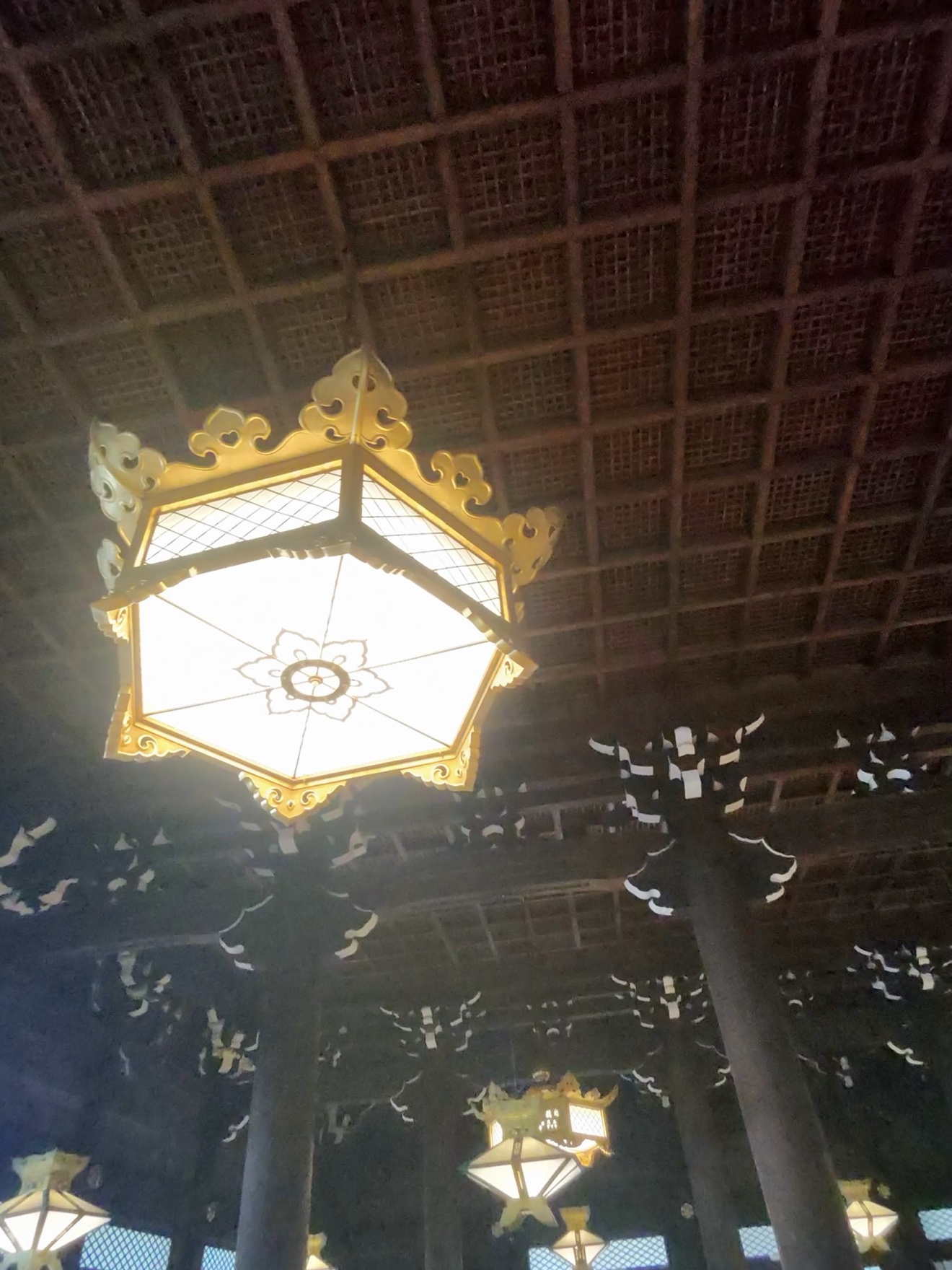
This is the exact shape of our spring break 2026 trip to Japan: 10 days, March 12 through 21, Osaka to Tokyo, with three kids ages 16, 14, and 7.
We flew MCO to LAX to Osaka (Kansai), and came home the same way in reverse. If you are planning Japan with kids, copy this freely. The bases, the pacing, and the order of operations are the parts that matter most. The specific attractions are the parts you should tune to your own kids.
The trip at a glance
Days 1 to 4: Osaka (Aloft Osaka Dojima). Arrival, Universal Studios Japan, Kyoto day trip, Nara. Day 5: travel day, Nozomi bullet train Shin-Osaka to Tokyo Station. Days 6 to 10: Tokyo (Hilton Tokyo Bay). Guided tour, Asakusa, Disneyland, DisneySea, teamLab.
Two bases in 10 days. That is the whole secret. Every time you change hotels with kids, you lose half a day to packing, checking out, and reorienting. Two bases means you lose exactly one half day, on the train, which is itself one of the best parts of the trip.
Days 1 to 4: Osaka
Base: Aloft Osaka Dojima.
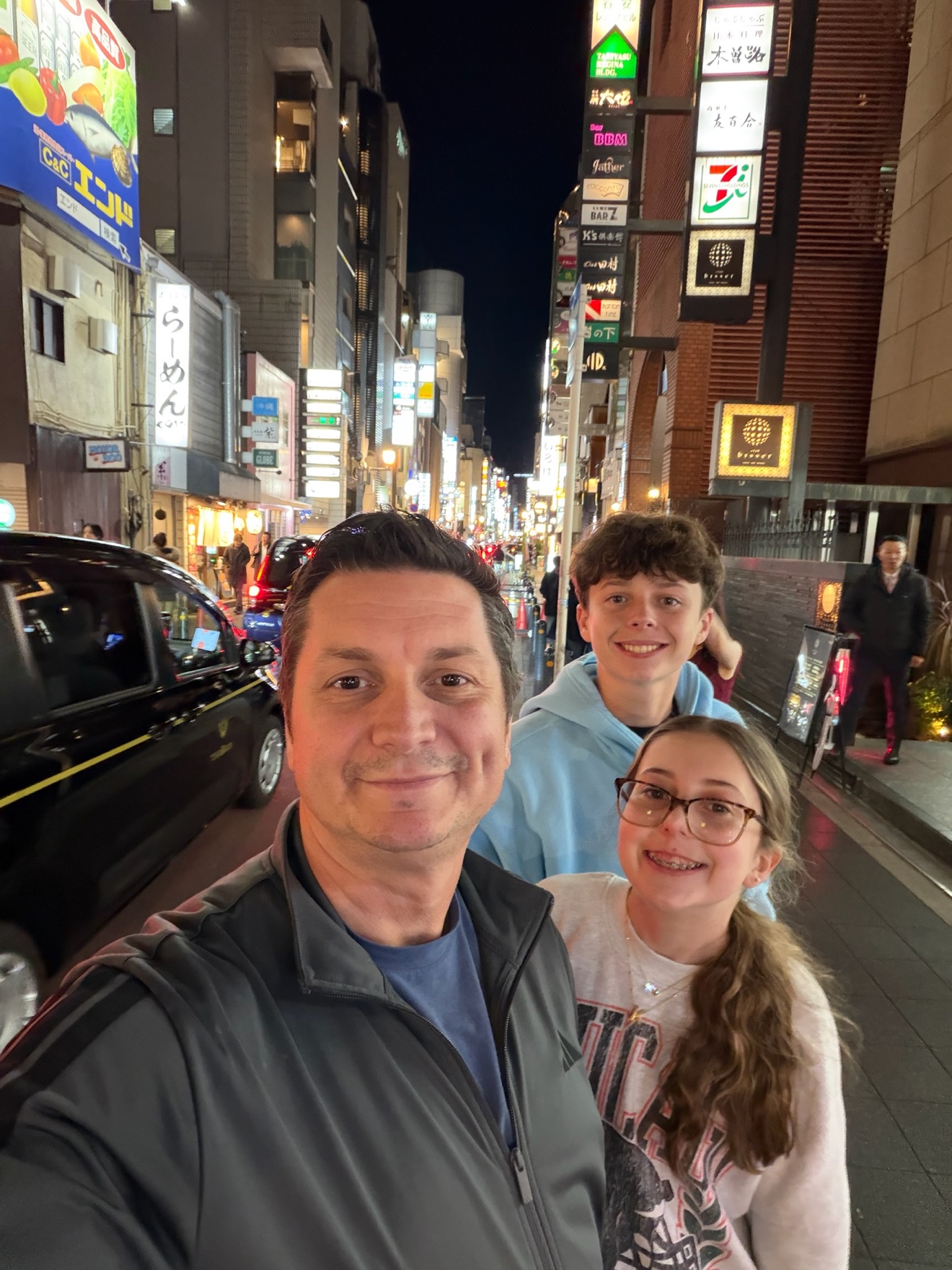
Day 1 (Mar 12): Arrival. We landed at Kansai in the evening and got to the hotel. Before calling it, Maddox, Kennedy, and I ventured out to find our first 7-Eleven for snacks. First Japan ritual, done. After the flights and the time change, the win on arrival day is a bed, not a plan. Sleep early, let day two be the real start.
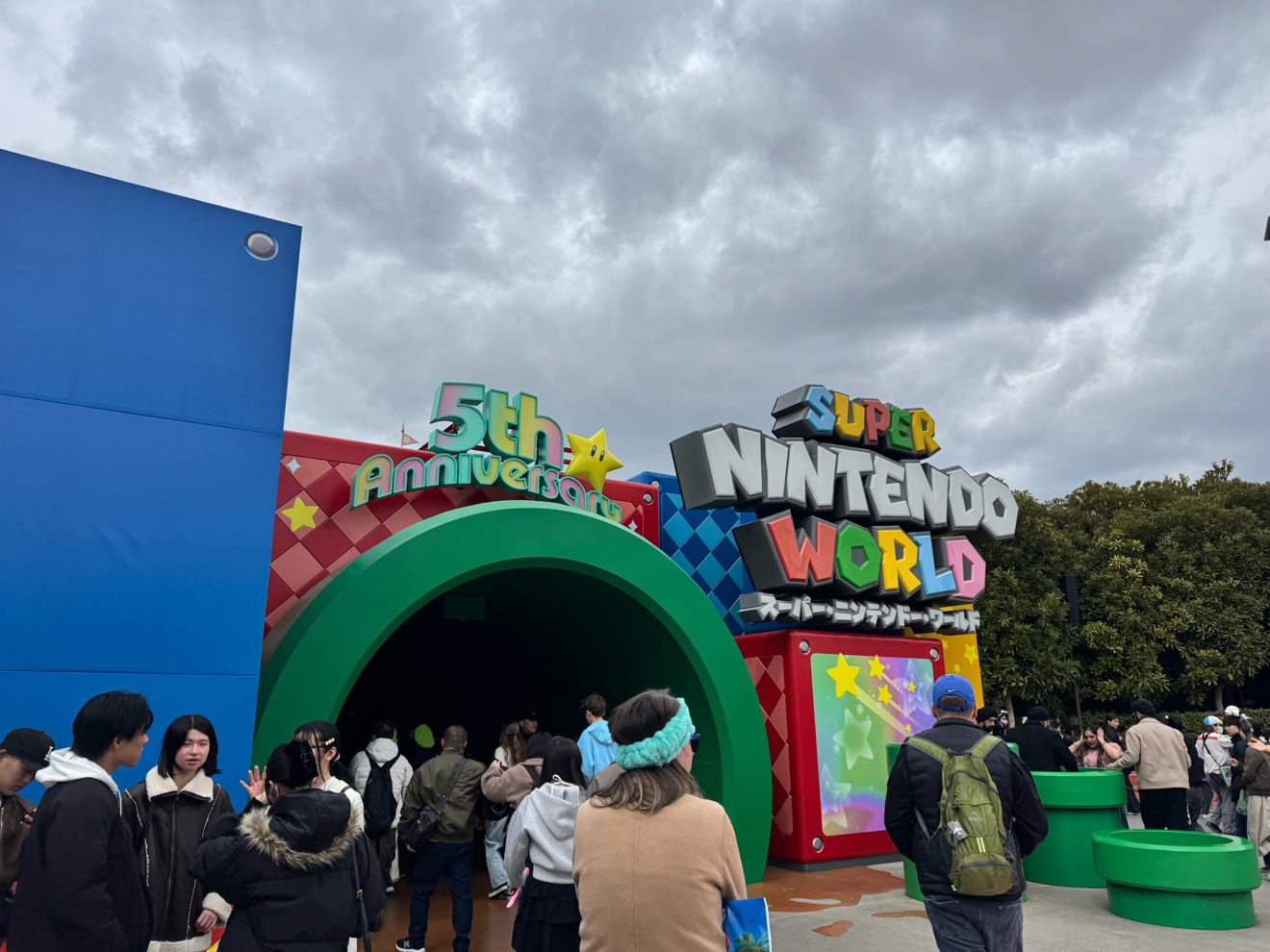
Day 2 (Mar 13): Universal Studios Japan, full day. Open to close energy on day two sounds aggressive, and it was. But the kids were running on arrival adrenaline, and USJ gave them an instant, joyful crash course in the country.
USJ was a wonderful park, familiar in the best way. We rode the coasters and spent the day noticing the differences between this park and the ones back in the States.
Pacing note: A theme park on day two works because excitement is doing the heavy lifting. Do not try this on day five. Front-load the high-energy days while everyone is fresh.
Day 3 (Mar 14): Kyoto day trip, then Dotonbori at night. Out to Kyoto in the morning, back to Osaka in the evening, then Dotonbori and Amerikamura after dark.
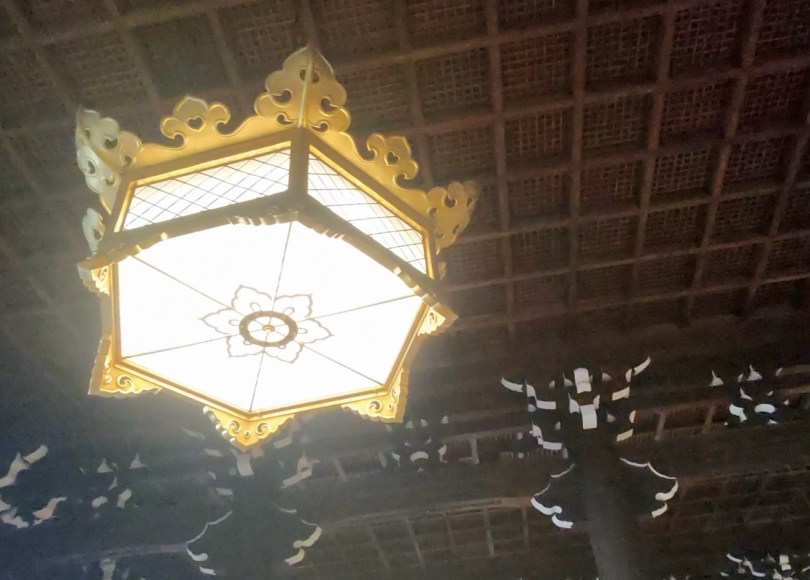
We visited Higashi Hongan-ji in the morning. The kids thought the temples were cool, historic in a way that landed. Niko thought they were peaceful.
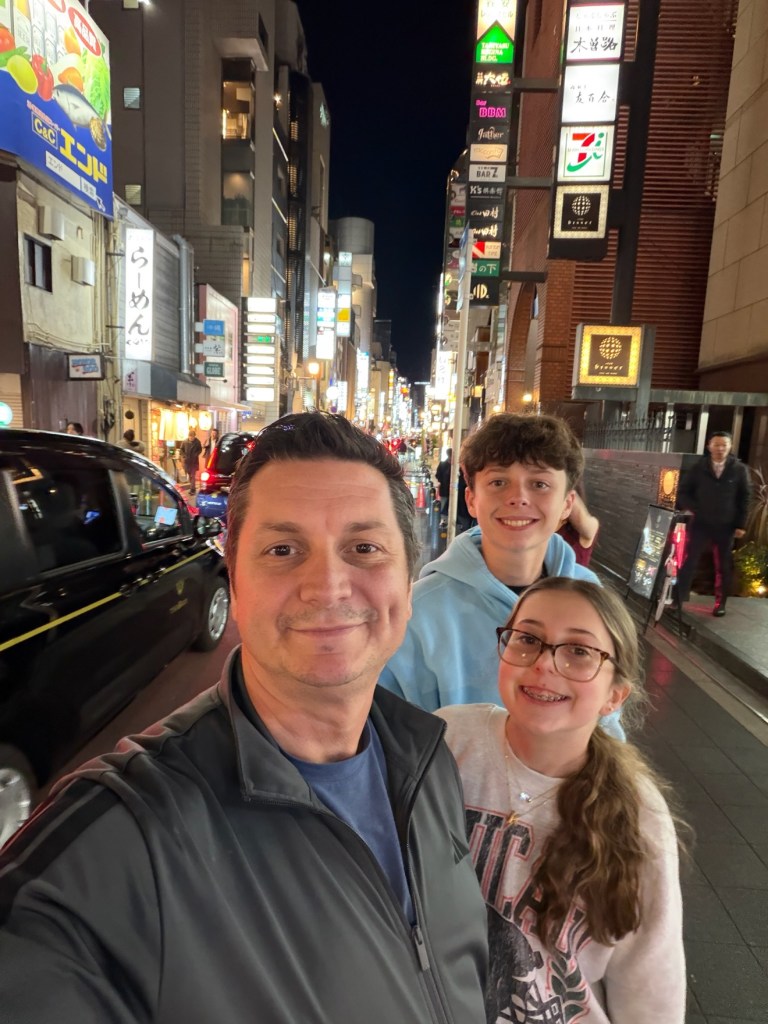
Dotonbori at night is its own argument for basing in Osaka. The neon, the canal, the street food, the giant crab sign. Loud, ridiculous, completely wonderful, and ten times better after dark.
Standout food moment of the trip: a wagyu steak shop in the market. The kids still bring it up.

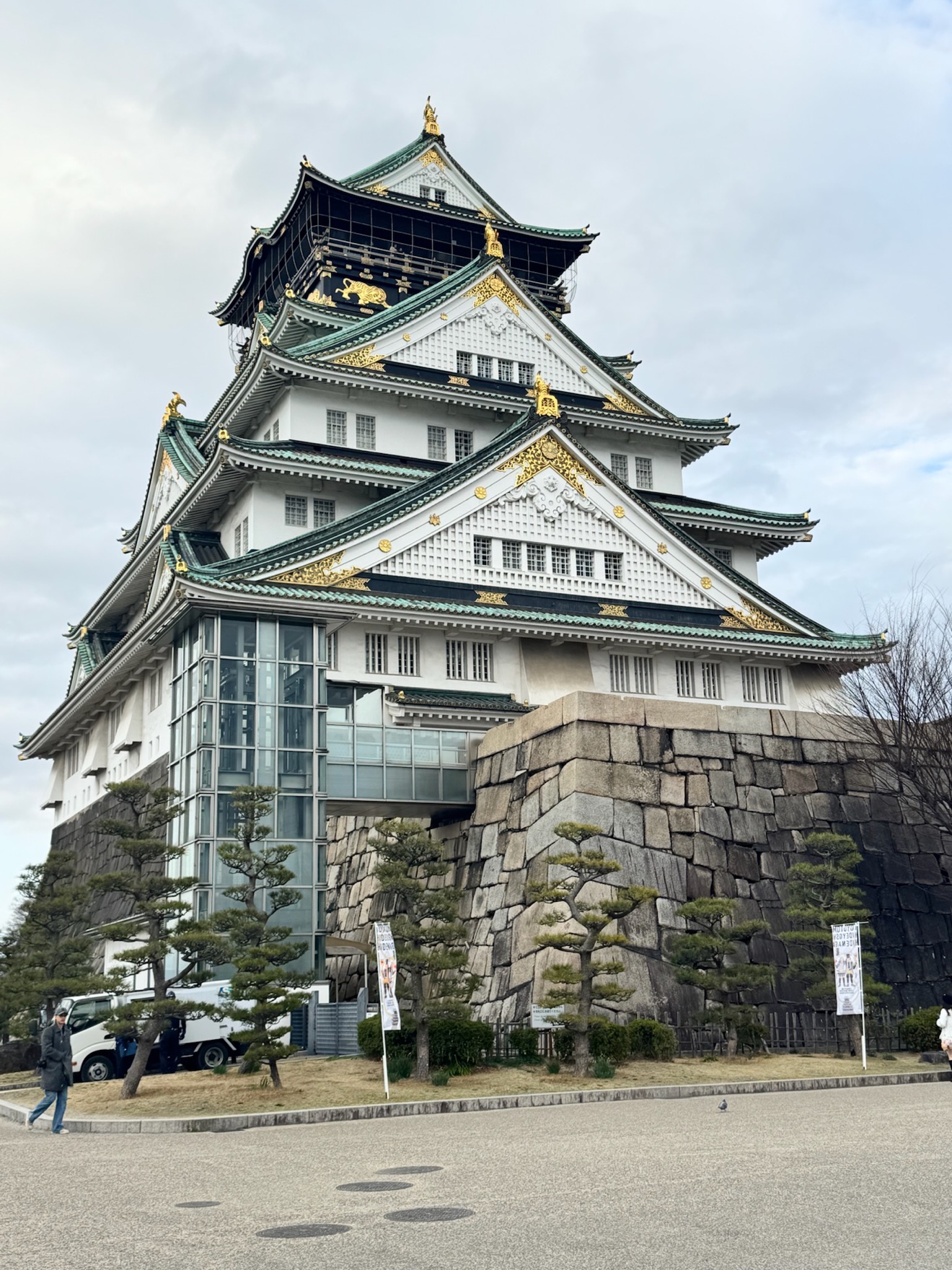
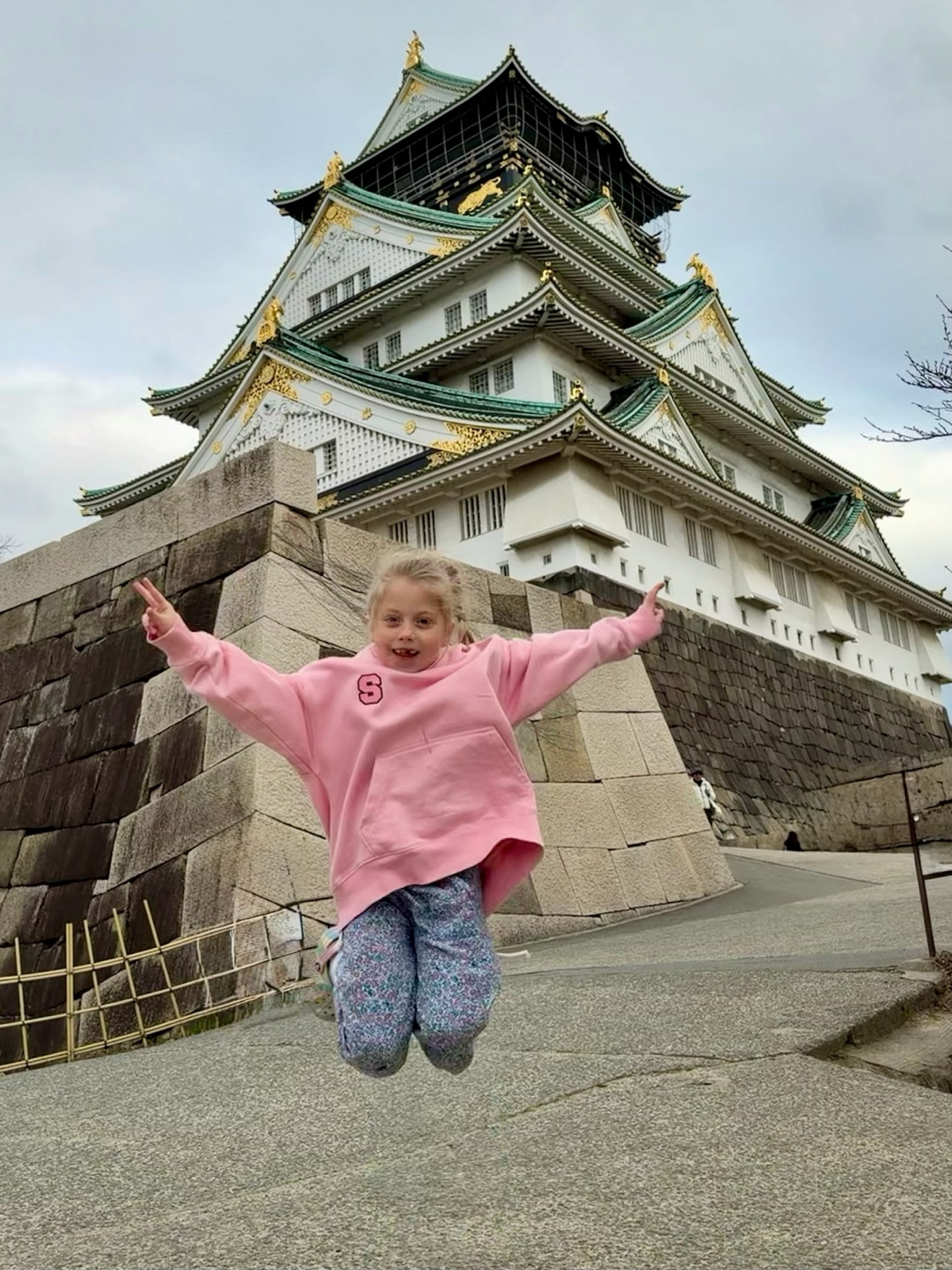
Day 4 (Mar 15): Nara Park, morning. Deer, temples, and a half day at half speed.
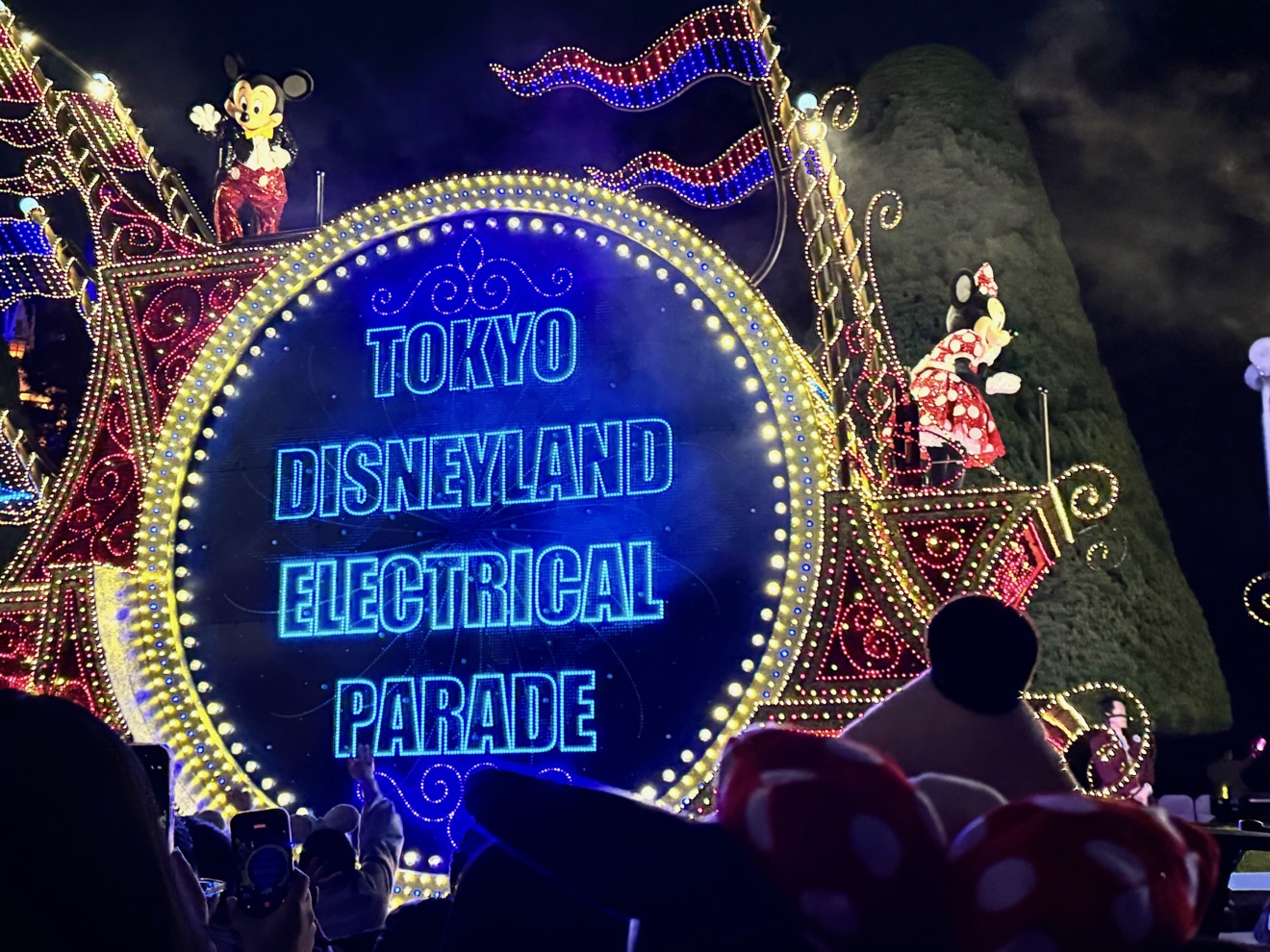
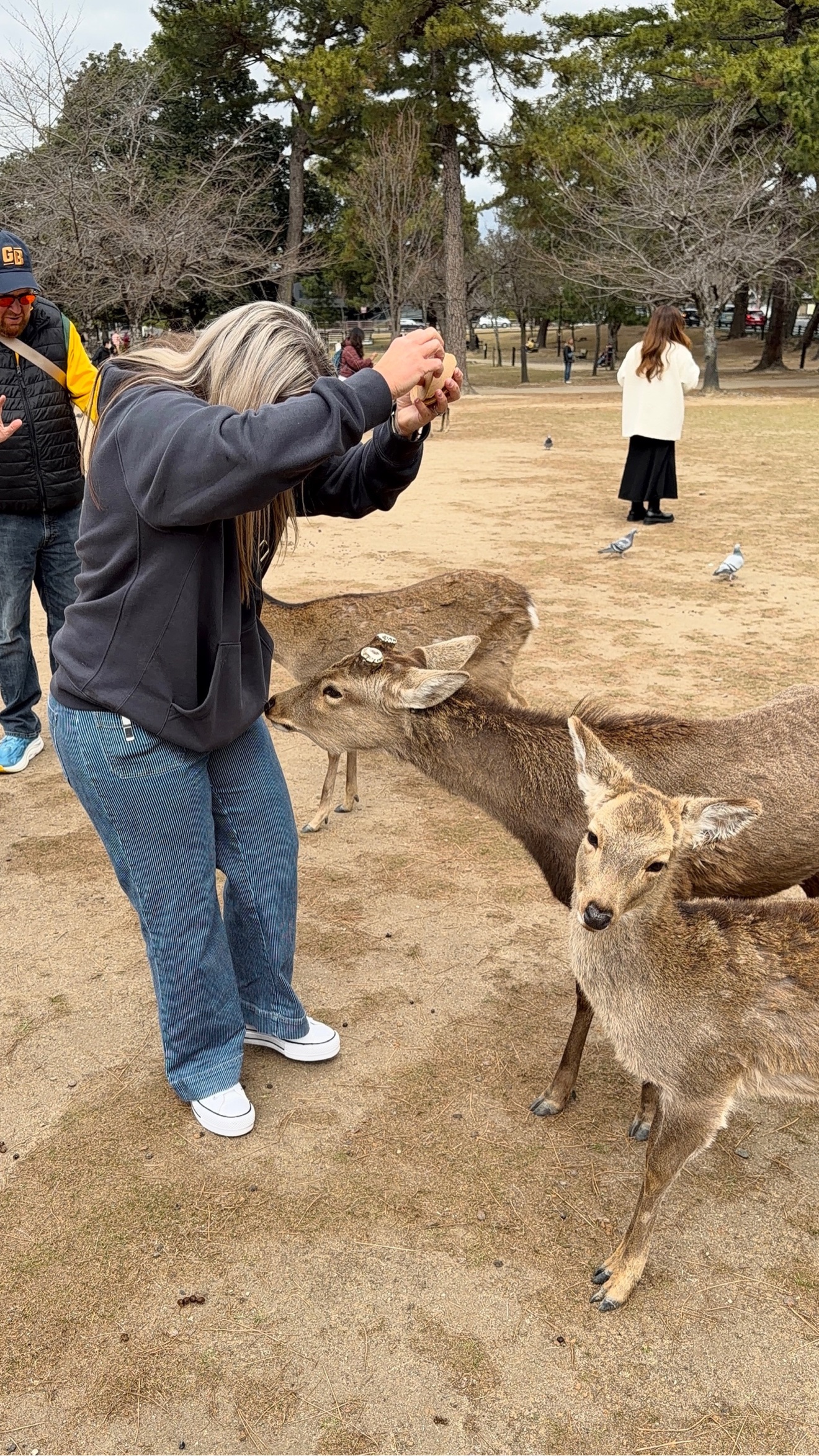
The kids fed the deer in the park, and Nara was wild. A deer went right at Devon, on her booty, a core memory for life. We also saw the Great Buddha at Todai-ji.
Pacing note: I love this day as a structural move. Big USJ day, big Kyoto day, then Nara at half speed before the train. Never stack three full-throttle days in a row with kids. The rest day is not wasted time. It is what makes the big days possible.
Day 5 (Mar 16): The bullet train to Tokyo
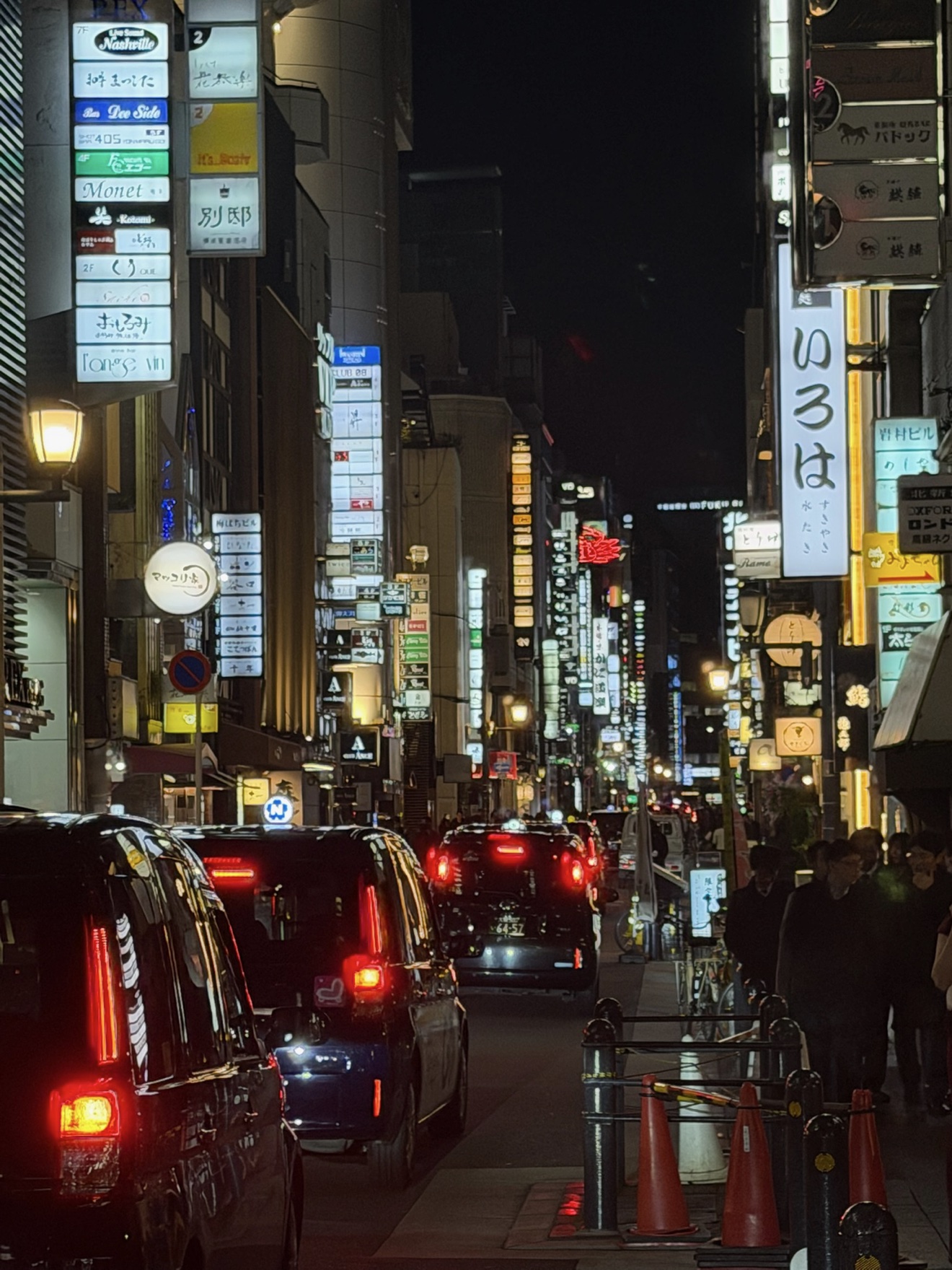
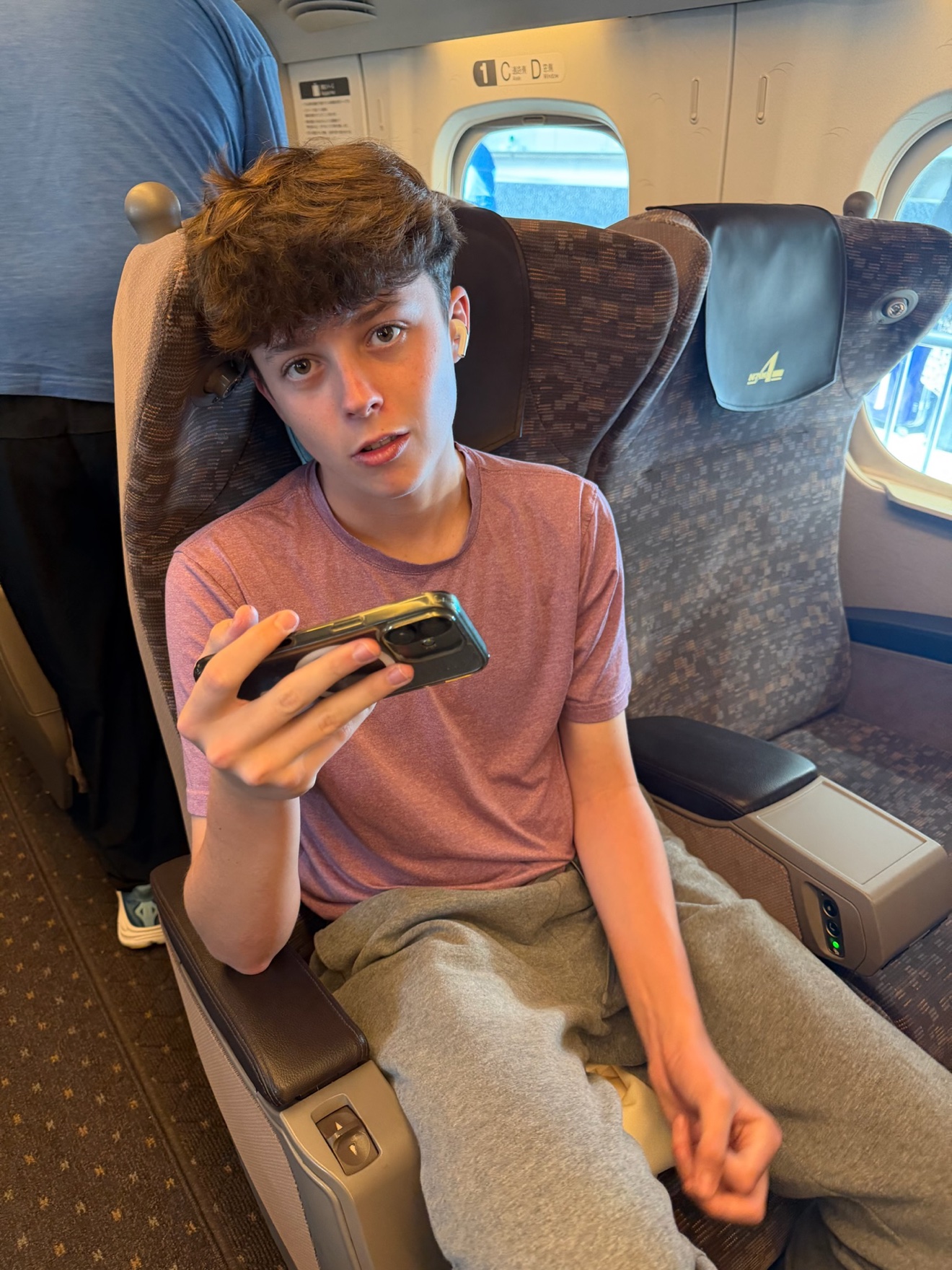
Nozomi 362, Shin-Osaka to Tokyo Station. Departed 10:57 in the morning, arrived 1:24 in the afternoon. Under two and a half hours, city center to city center.
We did not see Mt. Fuji from the train. The windows delivered plenty anyway.
We rode in upgraded class with window seats.
The train ride is part of the experience, not dead time. Window seats, snacks from the station, cameras ready. Some of our best family conversations happened at speed with the countryside blurring past.
We checked into the Hilton Tokyo Bay that afternoon and took it easy. Treat travel day as a rest day in disguise: arrive, settle into the new base, take an easy evening walk. Do not stack a temple visit onto the same day as the train.
Days 6 to 10: Tokyo
Base: Hilton Tokyo Bay.
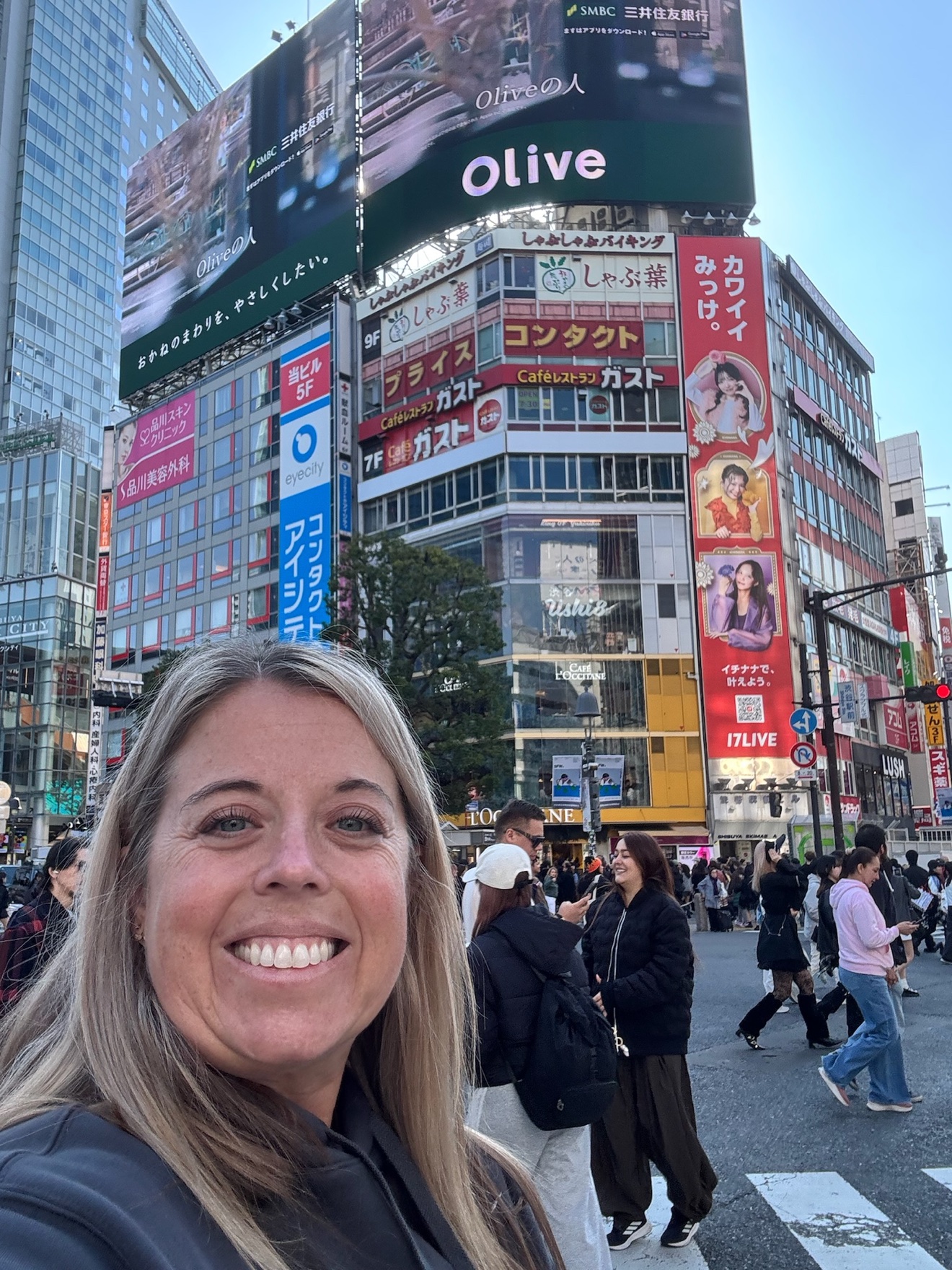
Day 6 (Mar 17): Guided private tour with Tak, then Senso-ji at night. 10 in the morning to 4 in the afternoon, and the smartest money we spent on the trip.
Tak’s route: Tsukiji outer market and Tsukiji Hongwanji Temple, Meiji Jingu shrine, then Shibuya. The scramble crossing, Center Gai, and Shibuya Parco, which for the kids meant Nintendo Tokyo and the Pokemon Center. He offered to drop us at a cat cafe or a hedgehog cafe afterward, and we took him up on the cat cafe.
The tour was booked for 6 adults and 3 children because our good friends the Bodshaugs joined us that day.
A good private guide on your first full Tokyo day is worth every penny. It compresses a week of figuring things out into six hours.
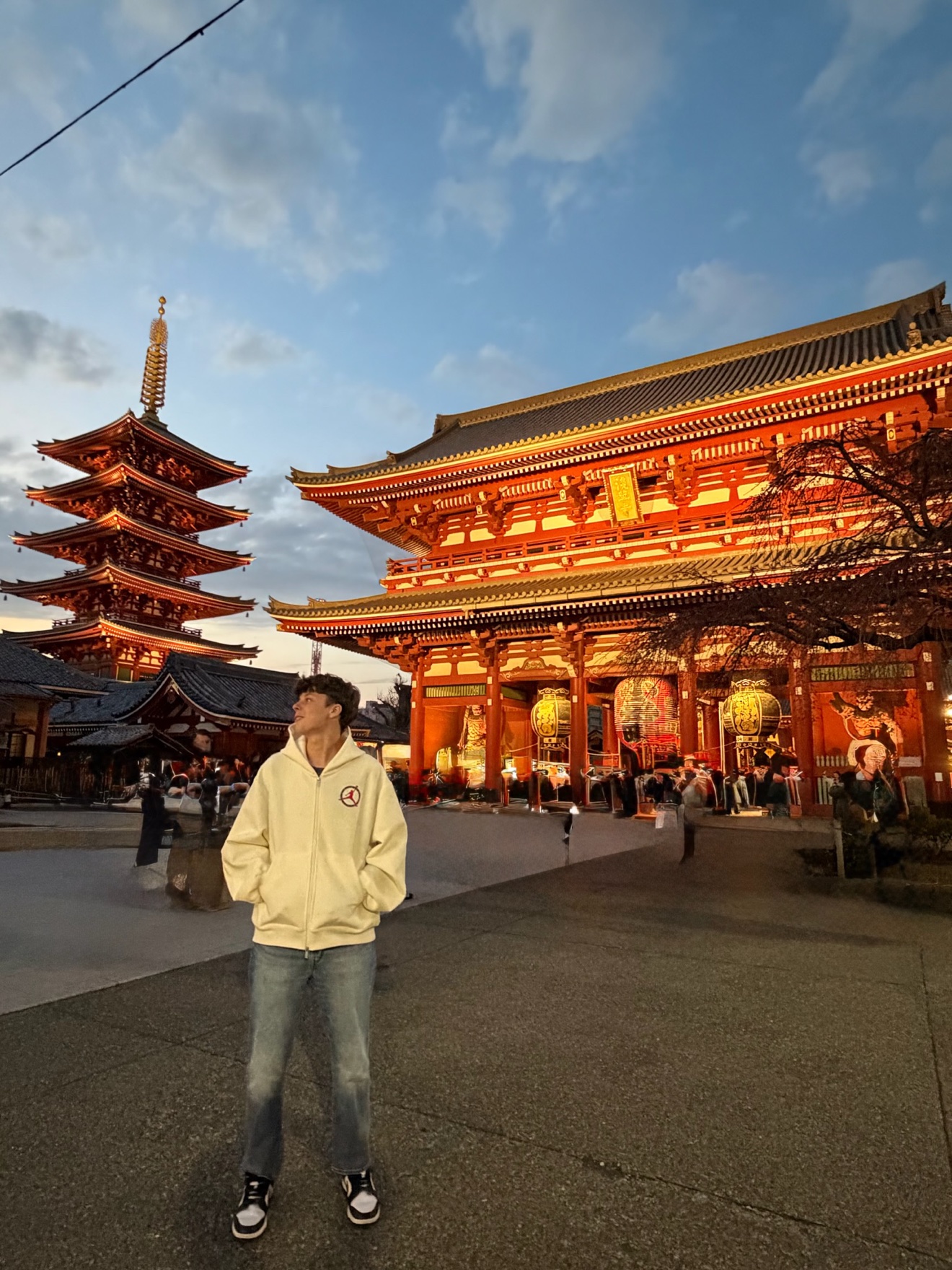
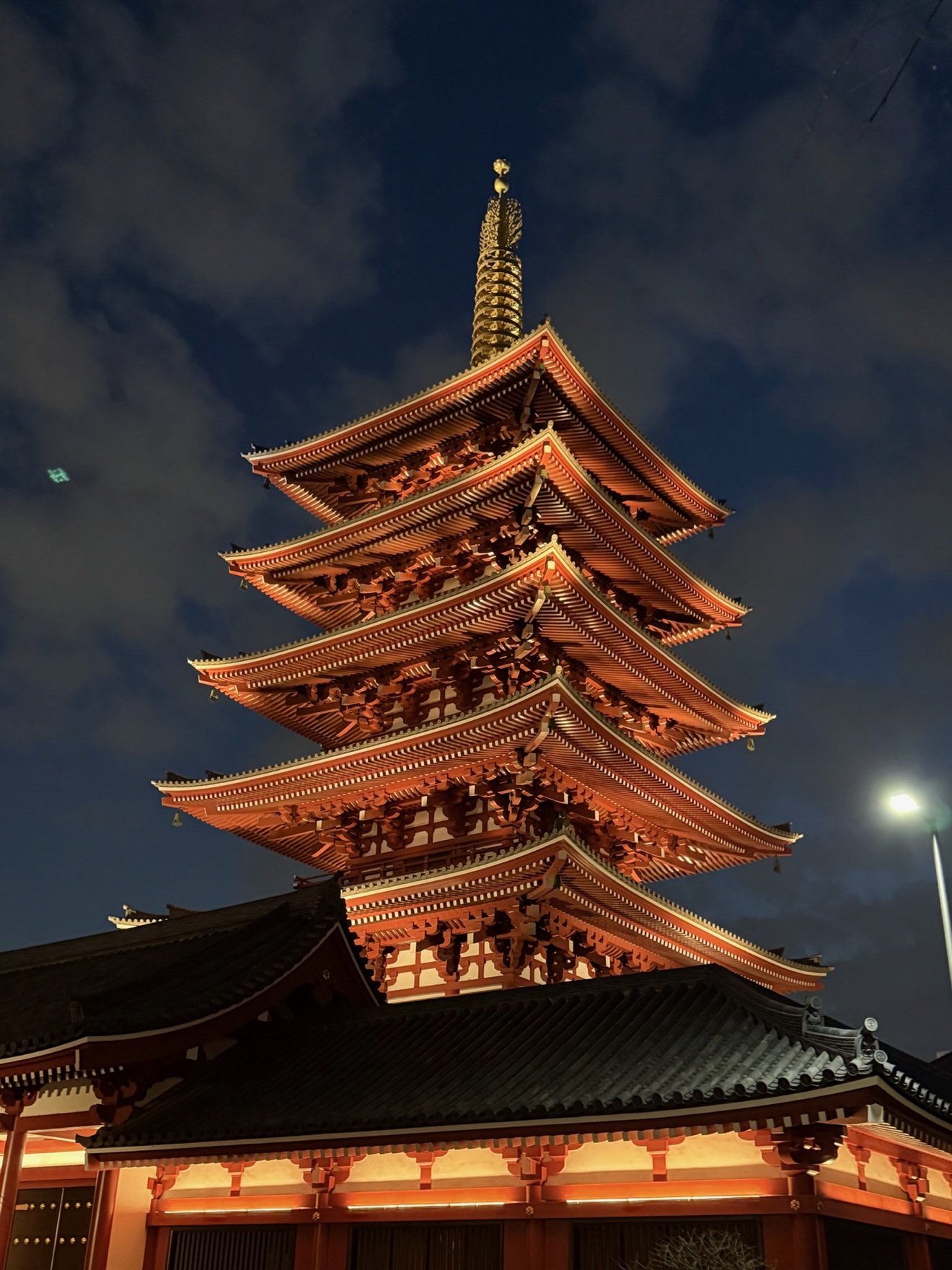
That evening: Senso-ji Temple in Asakusa, 5 to 8 PM. The temple at night, lit up, crowds thinned out, is one of the best free experiences in Tokyo. Go in the evening.
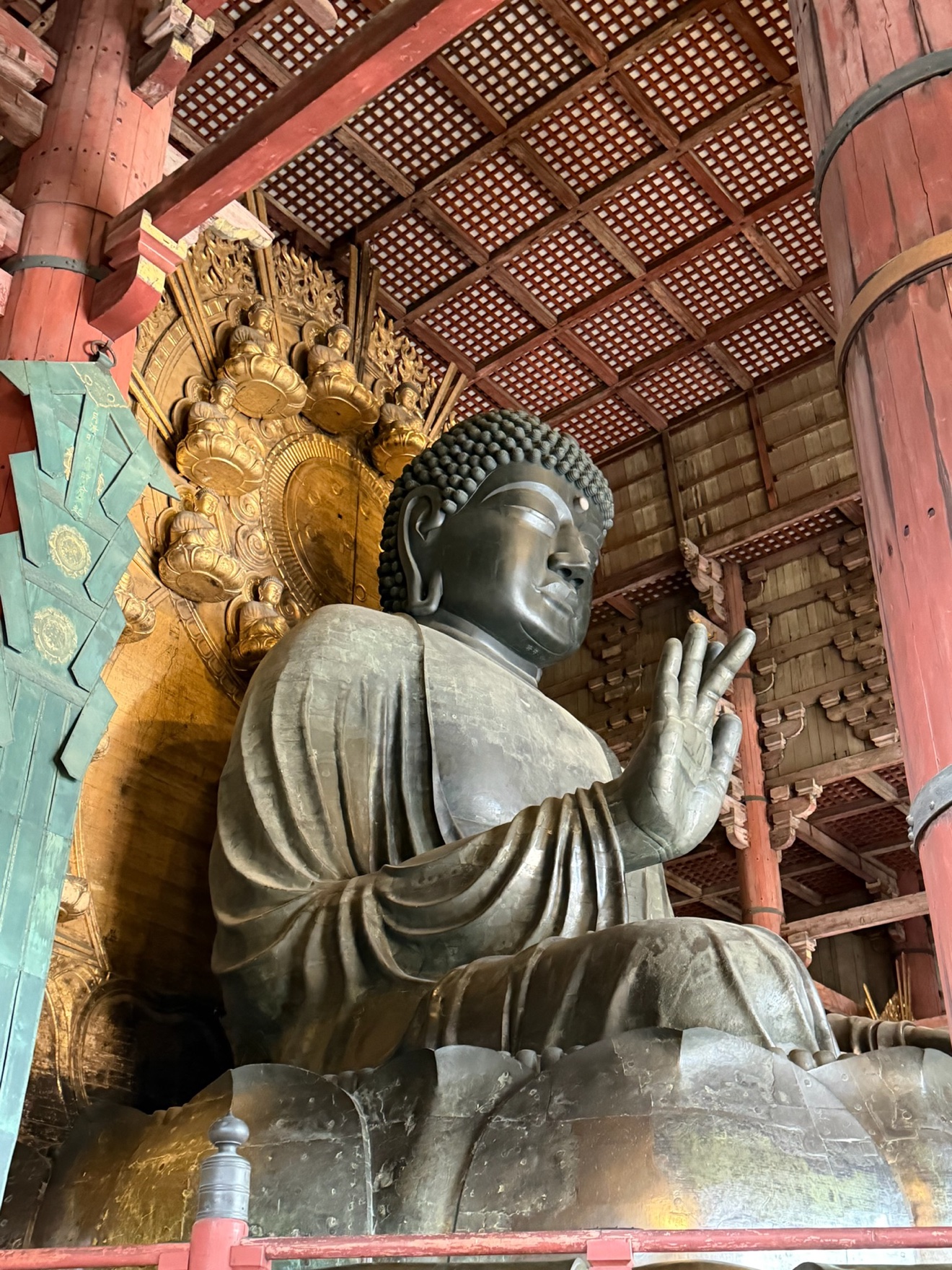
Day 7 (Mar 18): Tokyo Disneyland, full day.
It was a great Disney day all around.
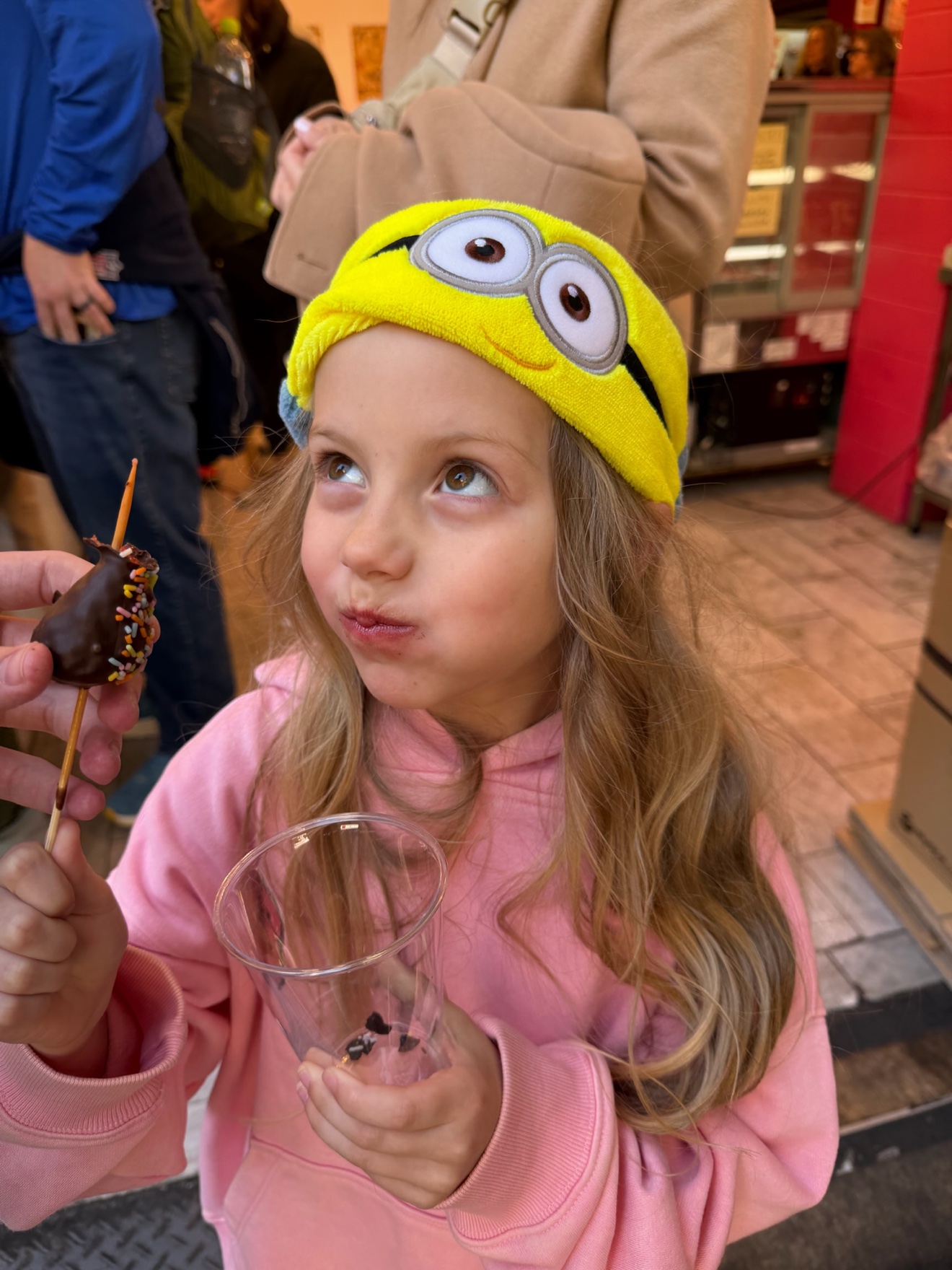
The flavored popcorn alone is worth the trip: curry, butter, pepper, white chocolate, and so much more.
Day 8 (Mar 19): Tokyo DisneySea, full day.
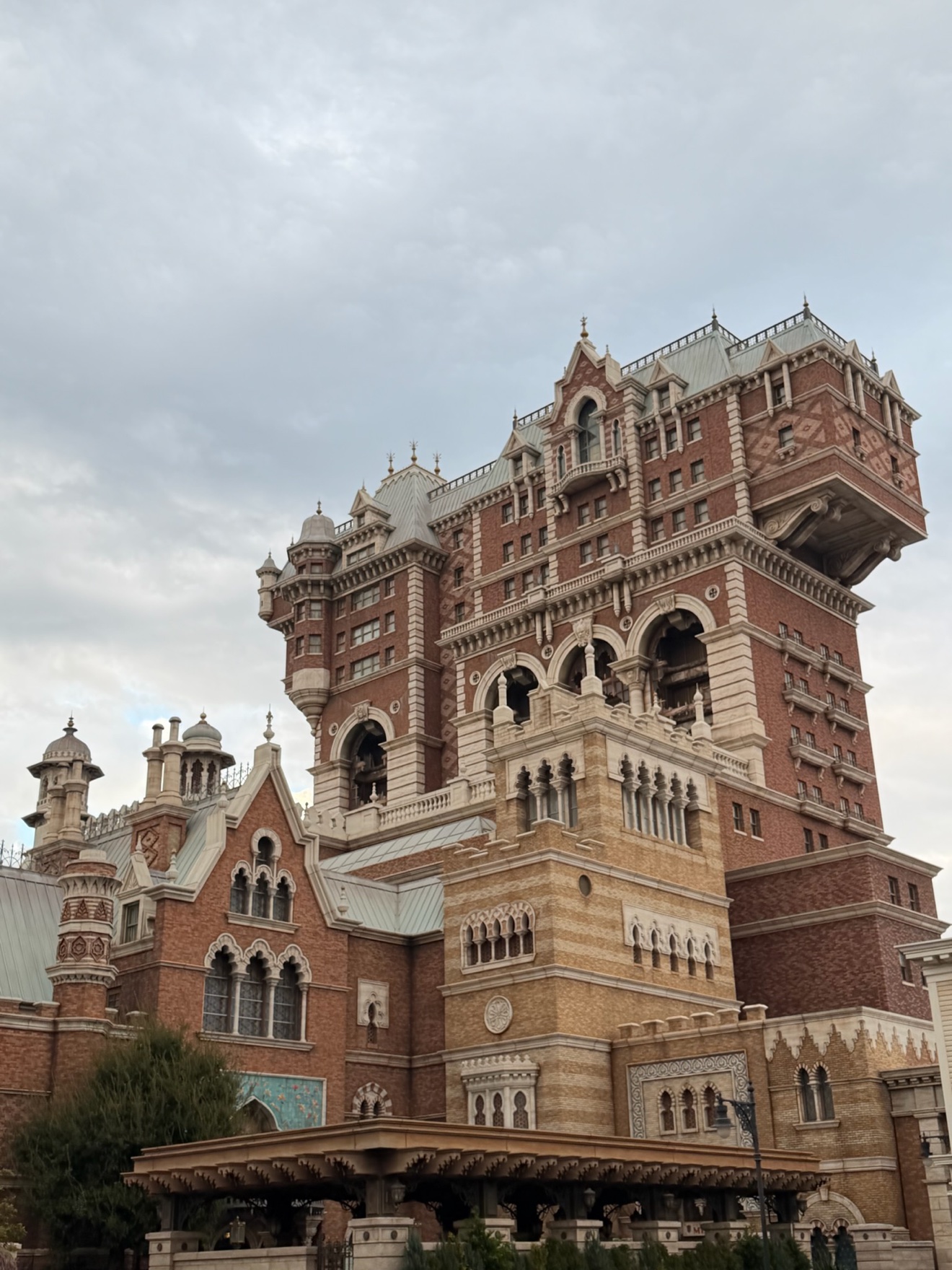
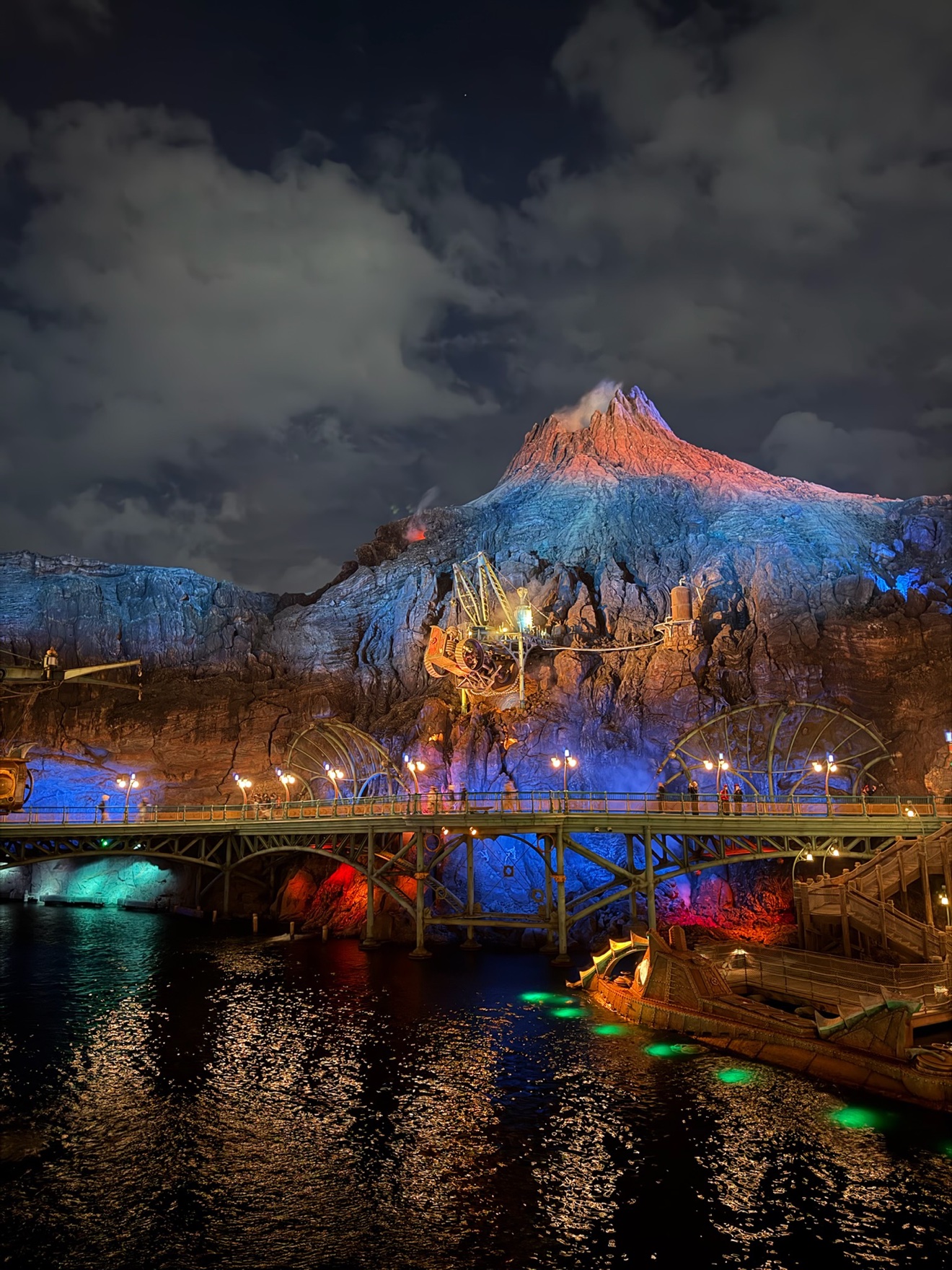
Fantasy Springs was amazing and the Beauty and the Beast ride was stellar. The must-do list is all of it.
DisneySea deserves its own sentence: it is the best Disney park on the planet that most Americans have never visited, and it is not close. If you go to Japan with kids and skip DisneySea, I do not know what to tell you.
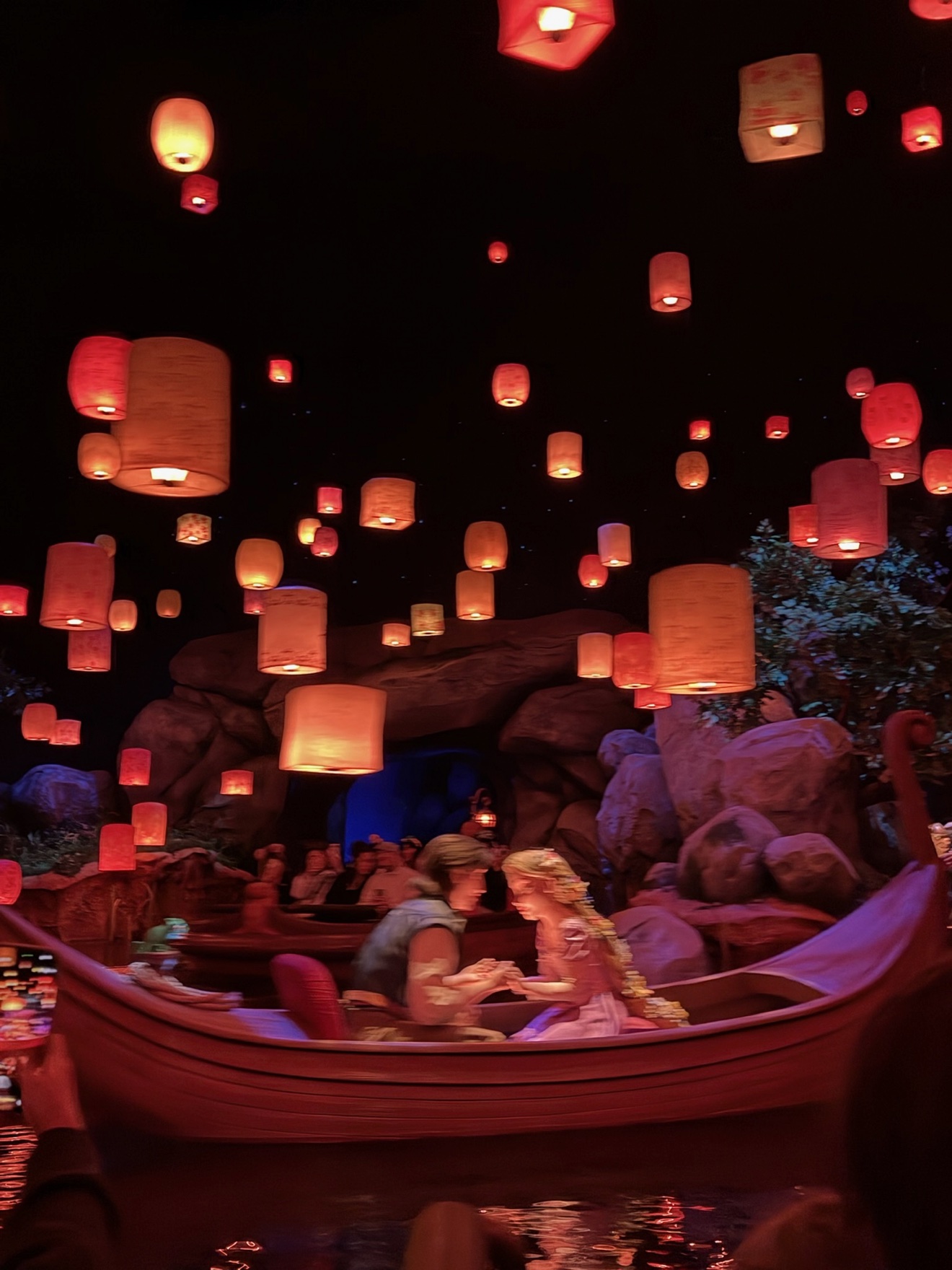
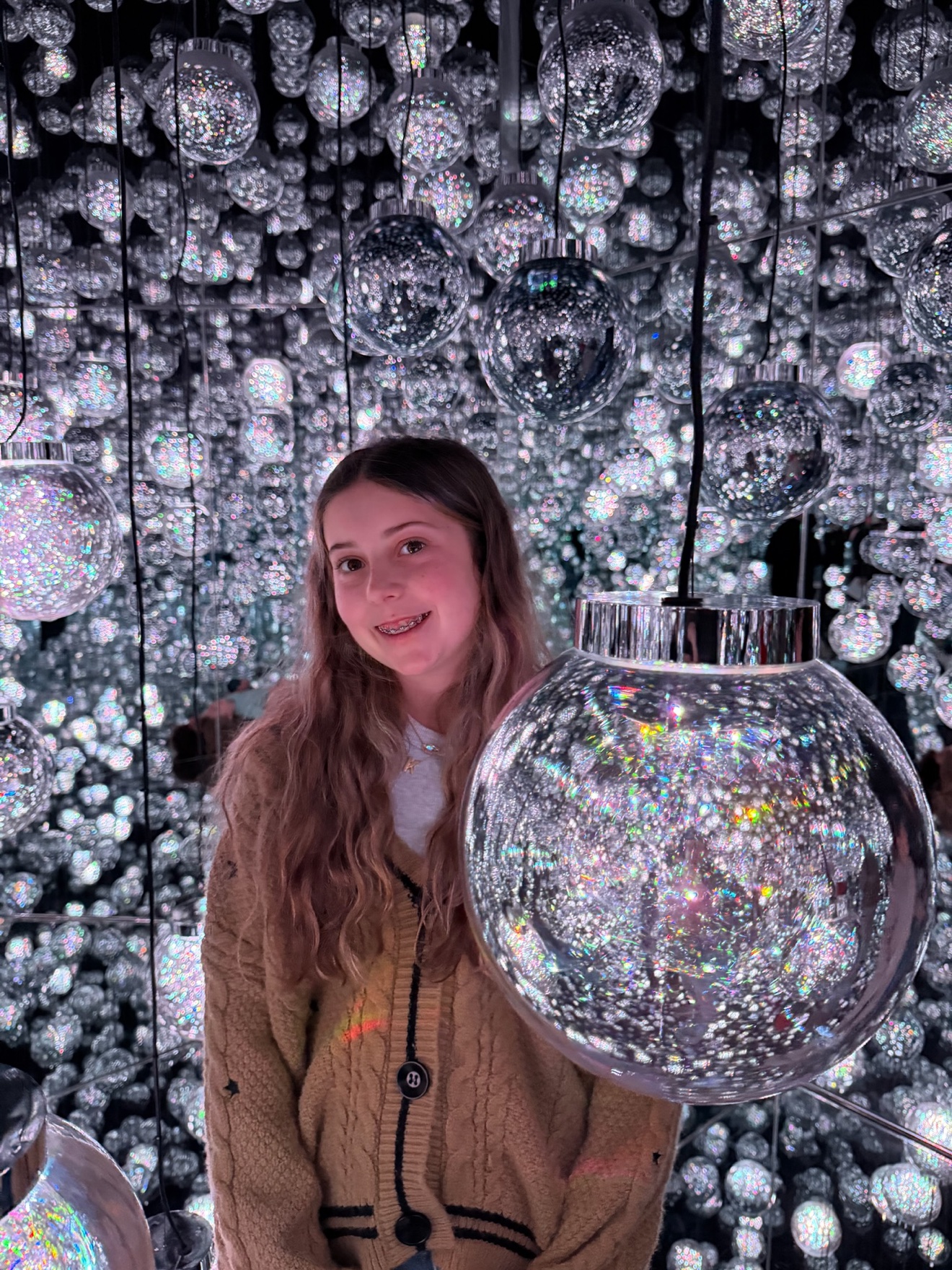
Day 9 (Mar 20): teamLab double-header, then Disneyland at night. teamLab Planets in Toyosu, 10:30 AM to 1 PM. teamLab Borderless at Azabudai Hills, 2 to 3 PM. Then back to Disneyland for the evening, 4 to 9 PM.
This was the biggest day of the trip, and it worked because the teamLab visits are timed and contained. You are not wandering. You move through, you experience it, you leave. Then Disneyland at night as the victory lap.
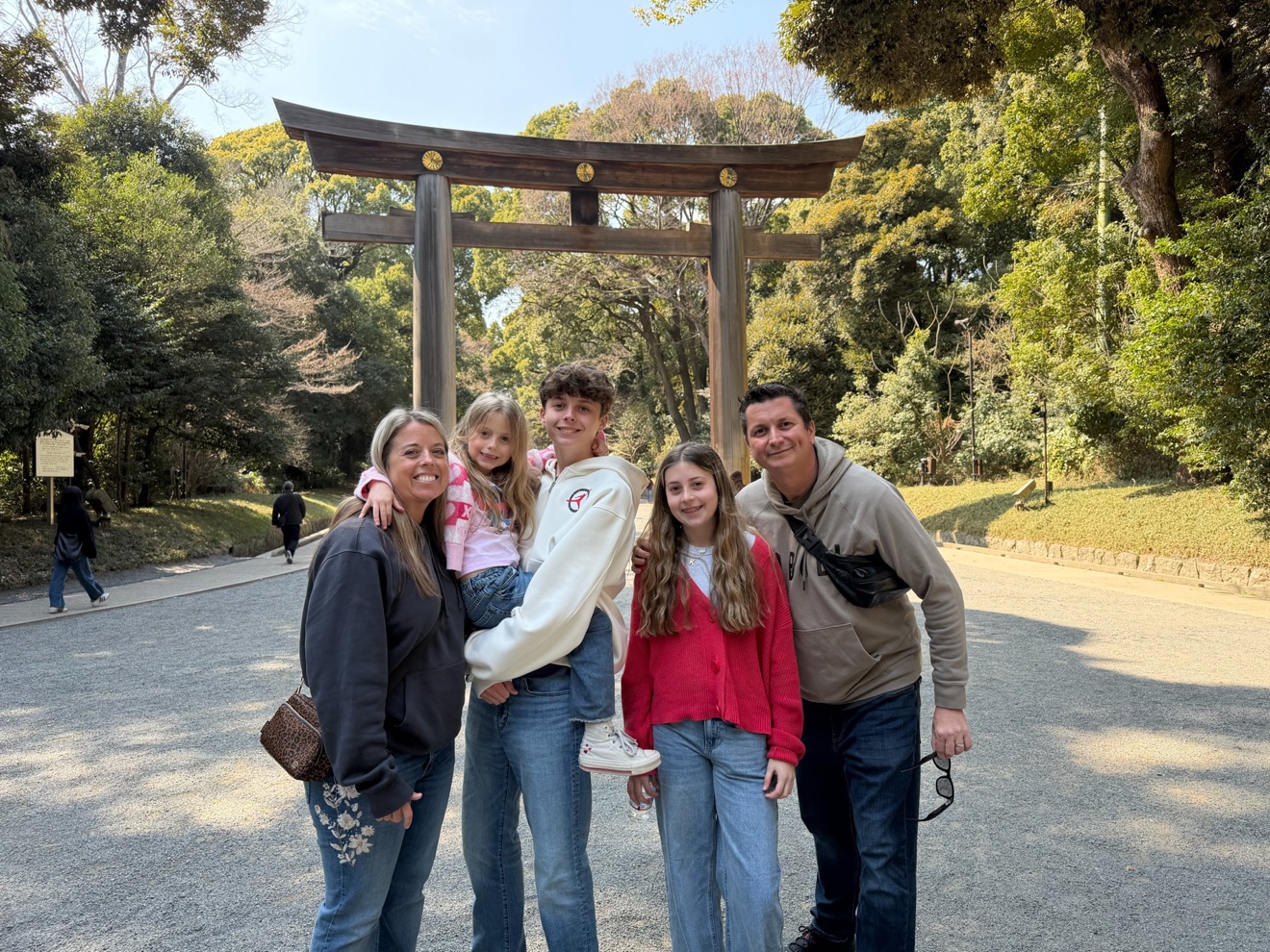
Day 10 (Mar 21): Departure. Checked out of the Hilton Tokyo Bay, flew Haneda to Kansai to LAX, overnighted at the Westin LAX, and flew home to Orlando the next morning.
Pacing note: Leave a real buffer for the airports. International departure with three kids is not the morning to cut close, and Japanese airports are worth arriving early for. The food options alone justify it.
The one day we would do differently
We would not redo a day. We would just stay longer.
I will add one structural opinion while we are here: if your trip is shorter than 10 days, cut a destination, not days from each destination. Osaka plus Tokyo in 7 days is a sprint. Osaka alone in 7 days is a great trip. Two bases done well beats three bases done frantically, every single time.
Pacing rules that kept three kids happy
These are the rules we followed, and they worked across ages 16, 14, and 7:
One big thing per day. Not two. Not three. One anchor experience in the morning, then let the afternoon breathe. The kids remember the one big thing. They do not remember the three things you rushed between.
Alternate energy levels. A high stimulation day (USJ, Shibuya) gets followed by a low stimulation day (Nara, a slow morning). This is the single most important pacing rule for mixed-age kids.
Build in snack stops as destinations. In Japan this is easy, because the snacks are great. A convenience store run is not a compromise, it is a cultural experience. Sawyer, 7, still talks about them.
Let the teenager navigate. Give your oldest the transit app and the map for one day. Maddox, 16, took real ownership of getting us around, and it changed his relationship to the whole trip. Kids engage differently when they are responsible for something.
Protect sleep. Jet lag plus excitement is a brutal combination. We kept bedtimes reasonable even when the city was tempting, and it paid off every single morning.
What to book first
If you are planning this trip, book in this order:
1. Flights. Spring break dates go first because everyone wants them. We routed MCO to LAX to Osaka on American and JAL. Book early and keep everything in TripIt. We use it to manage and stay organized.
2. Universal Studios Japan tickets. Buy in advance.
3. teamLab timed tickets. Both Planets and Borderless need advance booking, and the good time slots go first. Book these the minute your dates are firm.
4. Disney park tickets. We did three park days across Disneyland and DisneySea. Buy in advance, pick your days early.
5. Hotels. Family rooms for five in Osaka and Tokyo sell out in the good locations. We stayed at the Aloft Osaka Dojima and the Hilton Tokyo Bay.
6. Rail. The Nozomi from Shin-Osaka to Tokyo.
Everything else can wait until closer to the trip. Restaurants, day-to-day plans, and neighborhood wandering do not need advance booking.
The bottom line
Ten days, two bases, one bullet train, three kids who still talk about it months later. Osaka first, Tokyo second. That is the itinerary. Copy the structure, tune the details to your family, and do not overthink it. Japan does most of the heavy lifting for you.

